All posts by clearsem

Know the Facts About Seniors and Alzheimer’s Disease

Receiving a diagnosis of Alzheimer’s disease is devastating for both the senior diagnosed and his or her loved ones, and with millions of Americans given that diagnosis, it’s a disease that impacts so many of us. One of the most important steps we can all take is to learn as much as possible about Alzheimer’s, and since September is designated as World Alzheimer’s Month, it’s an ideal time for the Florida home care experts trusted by local families since 1992 – American, Advocate, Douglas and Whitsyms In-Home Care -- to share some facts to help you better assist a loved one with the disease.

What is Alzheimer’s disease? Alzheimer’s is a progressive form of dementia that impacts the areas of the brain responsible for memory, thinking, and language, making it increasingly difficult for a person with the disease to manage the daily activities of living. While the cause is still not fully understood, scientists believe it’s the result of a number of factors that could include age, family history, diet, environment, education, and more.

What are the symptoms of Alzheimer’s? One of the first signs is usually memory loss that initially displays through repeating statements or questions, getting lost, forgetting the names of common objects, etc. Other symptoms include difficulty with managing finances, completing once-familiar tasks, losing objects, decreased judgment, and mood or behavioral changes.

What should I do if I suspect Alzheimer’s in a loved one? It’s important to schedule an appointment with the senior’s doctor as soon as symptoms begin to become evident, as early diagnosis is crucial to starting treatment. There are also other conditions that mimic Alzheimer’s, which the doctor will want to check for as well.

What happens next? If the doctor confirms a diagnosis of Alzheimer’s disease, treatment will be recommended to slow or delay the progression of the disease. While there is currently no cure for Alzheimer’s, there are ways to help better manage the symptoms and retain mental functioning for as long as possible.

It’s important for family caregivers of a person diagnosed with Alzheimer’s to receive ongoing support and to take breaks as needed. Providing dementia care can take a toll on one’s health – both physically and emotionally. Utilizing respite care can help family caregivers take time away from caregiving responsibilities in order to prevent burnout, depression, and other serious health risks.

As the Florida home care experts, our referred care providers are always on hand to help those with Alzheimer’s and the families who love them. Through trusted, compassionate, and creative in-home care that eases some of the more challenging aspects of the disease, such as wandering, sundowning, agitation, aggression, and more, we provide the respite care family caregivers need to take much-needed breaks from care.

Discover more about our family of brands and how we can help. Simply select the location nearest you from these options:

Reach out to us today to learn more about how our referred care providers can help you and a loved one with Alzheimer’s to live the best possible quality of life.

State of Florida License and Registration Numbers: 30211518, 30211651, 30211295, 30211390, 30210978, 30211293, 30211382, 30211504, 30211733, 30211535, 30211531, 30211710, 30211709, 30211045, 5661

Hurricane Preparedness for Seniors

Hurricanes are incredibly destructive, with high winds that can tear structures apart and rainfall and storm surges that can cause significant flooding. People know when they live in a hurricane-prone area, and they will usually have some warning that a hurricane is coming, even though the course of a storm can sometimes curve unpredictably. This means that there is time to prepare – take advantage of that!

Seniors can have particular difficulty withstanding a hurricane. Evacuation can be especially difficult for seniors, many of whom can’t drive, or have mobility issues. Evacuation can be challenging emotionally for seniors as well.

Even though we have more sophisticated methods of predicting storms and their paths than ever before, it is often difficult for seniors to access information about a storm’s approach, and to prepare for it on their own.

Because of this, seniors in hurricane-prone areas should be aware of ways to prepare, and should make specific disaster-preparedness plans with their family members and caregivers.

Special Considerations

It is important to understand the difference between an advisory, a watch, and a warning. When dealing with weather events, forecasters use a three-tier system to let people know what risks they face.

  1. An Advisory simply means that hurricane-related weather might inconvenience people in an area or cause mild disruption.
  2. Watch means that there’s a high likelihood that a hurricane will strike in the area in the next two days, and works mostly as a suggestion to stay tuned to emergency bulletins.
  3. Warning means that there’s a very high likelihood that a hurricane will strike in the area in the next 36 hours, and means that you should probably prepare to evacuate.

Special Plans

To prepare for hurricane season, the best strategy is to do the most you can to prepare for the worst. This includes:

  1. Take an inventory of valuables in case the storm damages the home. This can be as simple as taking a video or pictures of your home’s interior using the camera on your phone.
  2. Make your home as weather-proof as possible, including cleaning out gutters and downspouts, and making sure sump pumps and other anti-flooding measures are in good condition. You may also want to make sure that valuable items and important documents are out of the range of any floodwaters. If seniors are unable to do these activities their your own, be sure that caregivers, family members, or friends help them prepare in this way.
  3. For your safety and comfort, have a disaster supplies kit packed and ready in one place before a disaster hits. Assemble enough supplies to last for at least three days. Store your supplies in one or more easy-to-carry containers, such as a backpack or duffel bag (seniors might want to consider storing supplies in a container that has wheels so that it is easy to carry)
  4. Keeping your kit up-to-date is also important. Review the contents at least every six months or as your needs change. Check expiration dates and shift your stored supplies into everyday use before they expire. Replace food, water and batteries, and refresh medications and other perishable items with “first in, first out” practices.
  5. Be ready to evacuate. Try to make your emergency preparedness kit is as portable as possible, and, if you have a car, always leave it with at least half a tank of gas during hurricane season to facilitate a quick getaway.
  6. Arrange for someone to check on you during the event of a disaster. Be sure to include any caregivers in your meeting and planning efforts.
  7. Carry family contact information in your wallet. Choose an out-of-town contact person. After a disaster, it is often easier to make a long-distance call than a local call from a disaster area.
  8. Keep copies of vital family records and other important documents such as birth and marriage certificates, social security cards, passports, wills, deeds, and financial, insurance and immunizations records in a safe location, like a fire safe or safe-deposit box
  9. Keep support items like wheelchairs and walkers in a designated place so they can be found quickly. This step is essential for those who have home-health caregivers, particularly for those who are bed bound.
  10. Label any equipment, such as wheelchairs, canes or walkers, that you would need with your name, address and phone numbers.

Heat In The Aftermath

A hurricane often brings hot, humid weather in its wake, and that can be dangerous if it’s coupled with a long-term power outage, because seniors often have particular difficulty coping with heat. Even if your home is intact and you haven’t been told to evacuate, a power outage could still happen, and might be a good reason to leave the area in order to avoid heat-related health problems.

Help Seniors Be Prepared

In summary, it can be hard for seniors to prepare for disasters on their own. It is essential, then, for seniors and the people who care for them to give a lot of thought to how best to respond to natural disasters. They should, ideally, plan and prepare for them far in advance. One thing that people can do to help is check in to make sure that seniors are aware of any potential threats and to encourage them to take appropriate action.

Meet with your family, friends, and caregivers frequently to explain your concerns and create a support network that can work as a team to prepare, and to respond in the event of a natural disaster.

For a complete guide on disaster-preparedness, we recommend utilizing this booklet from the Red Cross.

Partner with a Trusted In Home Care Provider

Trusted by Florida families for more than 25 years, American In Home Care’s credentialed caregivers can help support the hobbies, pastimes, and activities that our older adult clients enjoy. In addition to helping keep a senior loved one active and engaged, let us assist with light housekeeping, meal planning and preparation, and so much more.

To learn more about our comprehensive home care services, reach out to one of the four
offices conveniently located throughout the state:

Contact ustoday to learn more about how our professional Florida home care services can offer much needed companionship during the pandemic for a senior you love. We look forward to hearing from you!

State of Florida License and Registration Numbers: 30211518, 30211651, 30211295, 30211390, 30210978, 30211293, 30211382, 30211504, 30211733, 30211535, 30211531, 30211710, 30211709, 30211045, 5661

Engaging Indoor Activities for Seniors at Home

With COVID-19 cases continuing to rise in Florida and throughout the country, it’s clear that the safest place for older adults right now is at home. And while home does provide a necessary level of safety and security during the pandemic, it does put older adults at a heightened risk for feeling lonely and isolated.

To help seniors cope with the changes brought on by the pandemic, the Florida in-home care experts at American, Advocate, Douglas and Whitsyms In-Home Care share these indoor activities for seniors to help them remain engaged and active – in both mind and body.

Games and Puzzles
One of the many benefits of games and puzzles is that they often require critical and creative thinking skills, which helps keep the senior brain active and engaged.

  • Crossword puzzles – These can be found in books and newspapers and large print versions are available free, online.
  • Sudoku – These number puzzles are a great alternative to crossword puzzles. In addition to being available in books, try this free, online resource.
  • Card games – Go Fish, Blackjack, Crazy Eights, Solitaire and more are great games for seniors; all that is needed is a deck of cards. Or, download one of the many apps that will allow for electronic play.
  • Yahtzee – This classic dice game can be played solo, or with additional players. Try setting up a virtual game with a loved one by using an online conferencing app. This can be a great way for grandparents to interact with grandchildren who live out of the area.
  • Jigsaw puzzles – With thousands of choices of varying difficulties, jigsaw puzzles are a wonderful activity that can be completed over a period of time.

Virtual Visits
With only essential travel recommended for older adults, it’s easy for them to feel a little cabin fever. Thankfully, there are cultural sites all over the world that can be accessed right from the comforts of home.

  • The British Museum in London
  • Musée d’Orsay in Paris
  • National Gallery of Art in Washington, D.C.
  • The Georgia Aquarium
  • The San Diego Zoo

Learn Something New
If a senior loved one has ever been interested in learning a new skill, starting a new hobby or even resurrecting an old pastime, now is the perfect time to dive in. Encourage an older adult to:

  • Learn a new language or instrument.
  • Discover and create a family tree or write down details of the family history.
  • Try cooking new recipes.
  • Rediscover knitting, sewing, photography or another hobby that’s been put aside over the years.
  • Grow vegetables or herbs in small pots and use them when cooking.

Stay Active
In addition to increasing physical strength, adding exercise to a daily routine can help improve mood, which is especially important when there are stressful things occurring that may be out of one’s control, like the pandemic. Advocate for a senior loved one to:

  • Take a walk several times each day around the block or go for a walk at a local park.
  • Add strength training to the daily routine. If hand weights aren’t available, use water bottles or cans of food.
  • Try a new exercise by watching a YouTube video: chair yoga, Tai Chi, and more.
  • Do gentle stretching and balance exercises to help maintain mobility.

Partner with a Trusted In Home Care Provider
Trusted by Florida families for more than 25 years, American In Home Care’s credentialed caregivers can help support the hobbies, pastimes, and activities that our older adult clients enjoy. In addition to helping keep a senior loved one active and engaged, let us assist with light housekeeping, meal planning and preparation, and so much more.

To learn more about our comprehensive home care services, reach out to one of the four
offices conveniently located throughout the state:

Contact ustoday to learn more about how our professional Florida home care services can offer much needed companionship during the pandemic for a senior you love. We look forward to hearing from you!

State of Florida License and Registration Numbers: 30211518, 30211651, 30211295, 30211390, 30210978, 30211293, 30211382, 30211504, 30211733, 30211535, 30211531, 30211710, 30211709, 30211045, 5661

The Importance of Annual Eye Exams for Seniors

The Importance of Annual Eye Exams for Seniors

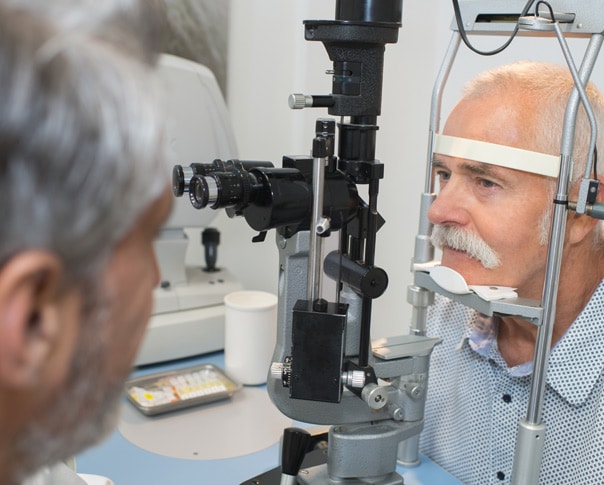
August is National Eye Exam Month, and the personal care companies Floridians trust – American, Advocate, Douglas and Whitsyms In-Home Care, encourage you to use this time to focus on the eye health of the older adults in your life. Although there are some typical age-related changes that can naturally occur as we grow older, there are also a number of more serious conditions that need proper detection and treatment to protect seniors’ vision.
The American Optometric Association advises annual eye exams for seniors, along with additional exams scheduled immediately if any vision changes are noted.
In particular, your loved one’s eye doctor will want to keep an eye out for these conditions:

Cataracts: When the lens becomes cloudy, it blurs the vision and makes it particularly difficult to see when the light levels are low.

Glaucoma: With no obvious symptoms in the early stages, glaucoma needs to be detected through an eye exam early in order to prevent blindness. Those with a family history of glaucoma, as well as African Americans, are at a heightened risk for the disease.

AMD (Age-Related Macular Degeneration): As the name suggests, this disease affects the macula, which controls central vision. Peripheral (side) vision remains intact.

Retinal Detachment: A separation or tearing of the retina can occur from trauma, or from chronic conditions such as diabetes or inflammatory eye disorders, and can lead to blindness if left untreated.

Diabetic Retinopathy: As damaged blood vessels leak, the retinal tissues swell and impact vision. In the most severe cases, this can lead to blindness.
American In-Home Care is always available to help ensure seniors have safe, reliable transportation and accompaniment to medical appointments and procedures, along with a full range of Florida senior care services, provided in the comfort of home.
Learn more about our family of brands and rich history of serving seniors in Florida for more than 25 years with the exceptional care they need and deserve. Choose the location that’s closest to you from the four options below:

Contact us at your convenience to discover how our professional Florida senior care services can improve health, wellbeing, and quality of life for the older adults you love. Whether the need is for just a few hours of respite care each week, full-time, live-in care, or any of a number of options in between, we’ll create a plan of care that addresses your specific needs. We look forward to the opportunity to serve you!

State of Florida License and Registration Numbers: 30211518, 30211651, 30211295, 30211390, 30210978, 30211293, 30211382, 30211504, 30211733, 30211535, 30211531, 30211710, 30211709, 30211045, 5661

Skin Cancer Prevention Tips for Seniors

Ah, sunny Florida! As Floridians, we’re fortunate to have nearly perfect weather year-round. But along with the promise of a never-ending summer, we must also be extra vigilant about sun protection 365 days of the year. For older adults, this is especially important, as skin becomes more susceptible to sun damage with age. In fact, the Centers for Disease Control (CDC) reports that most cases of skin cancer are found in people 65 years of age or older.

Learn more about the importance of implementing sun protection steps into one’s everyday routine from the personal care companies Florida families trust – American, Advocate, Douglas and Whitsyms In-Home Care:

Sunscreen – Sunscreen is a first line of defense that should be used daily. Even when outside, but not in the direct sun, sunscreen with an SPF of 15 should be applied liberally to all areas of exposed skin and reapplied every few hours, and/or after swimming, perspiring, or toweling off. Most sunscreen has an expiration date, and the shelf life is approximately three years.

Hat and Protective Clothing – Wide-brimmed hats and long-sleeved pants and shirts can provide older adults with protection from the sun’s harmful UV rays. Tightly woven fabrics offer the best protection and darker colors may be more effective at blocking UV rays than lighter colored ones. Remember to protect ears and the back of the neck with sunscreen if a baseball cap is worn.

Sunglasses – To help protect eyes and the sensitive skin around them, wearing sunglasses that block both UVA and UVB rays is a must. Not only do they shield eyes from the sun, but also from glare, and sunglasses have been shown to reduce the risk of cataracts.

Shade – If you’re by a pool, at the beach, or having lunch on the patio, sitting under an umbrella, a tree, or other structure for shade is important. Not only will this provide protection from the sun’s damaging rays, but it will also help keep you cooler. Sunscreen and/or protective clothing should still be worn in the shade, and remember to stay hydrated by drinking plenty of water.

In addition to including these skin cancer prevention tips into one’s daily routine, it’s important for older adults to conduct routine skin examinations and to visit a dermatologist at least once per year for a thorough examination of the skin. Having a dermatologist perform a skin exam is especially important if you or a senior loved one has mobility and flexibility issues, so that difficult to see areas of the skin are not overlooked. A family caregiver can also be enlisted to help. By taking proactive measures, skin cancer or suspected skin cancer can be caught and treated early. To perform a skin self-exam, the American Academy of Dermatology Association recommends the following steps:

  1. Use a full-length mirror to examine the front, back, and each side, with arms raised.
  2. Examine underarms, forearms and palms.
  3. Look at legs, between toes, and at the soles of the feet.
  4. Use a handheld mirror to examine the back of the neck and scalp.
  5. Use a handheld mirror to look at the back and buttocks.

By following these skin care prevention tips, it’s easy for Florida seniors to continue to enjoy the sun, and all our area has to offer. For additional ways to help a senior you love remain active and engaged, reach out to us to learn more about our professional and fully credentialed caregivers. From assisting with transportation for a regular outing with friends and help with personal care needs, to providing medication management and reminders, light housekeeping, and more, our referred care providers are here to help promote independence, safety and peace of mind.
Discover more about our family of brands and why we’ve been the trusted choice for in-home senior care in Florida for over 25 years. With offices conveniently located throughout the state, learn about the services and location nearest you:

Reach out to us today to learn more about in-home senior care in Florida and to get started with a professional care provider to meet the unique needs of your senior loved one.

State of Florida License and Registration Numbers: 30211518, 30211651, 30211295, 30211390, 30210978, 30211293, 30211382, 30211504, 30211733, 30211535, 30211531, 30211710, 30211709, 30211045, 5661

Overcoming Objections to In-Home Care

Life, naturally, changes as we grow older. Many of the day-to-day tasks and activities that once came easily can become challenging, and there comes a time when having some assistance at home helps restore safety and comfort, while maintaining independence and familiar routines. Yet for many older adults, the idea of accepting help at home is met with reluctance, for a variety of reasons.
Discover tips to overcome common objections to care in the home from the Florida in-home care experts at American, Advocate, Douglas and Whitsyms In-Home Care with these helpful strategies:

  • Perceived loss of independence. Second only to losing physical health, a recent study revealed that fear of lost independence is a top concern in seniors, and accepting the need for in-home care assistance may exacerbate that fear. It can help to remind seniors that an in-home care professional is never there to “take over,” but instead will offer whatever support is needed to enhance the senior’s independence and ability to remain living in the comfort of home. Seniors remain in charge, determining what activities to engage in, when to wake up and go to sleep, what meals they would like as well as when and where they want to eat, etc.
  • Difficulty trusting a “stranger.” With increased vulnerability in older adults, it’s only natural for there to be some measure of distrust about inviting a new caregiver into the home. When working with a professional nurse registry, however, such as American In-Home Care, the referred care providers have been fully vetted for maximum safety. And, the senior maintains the option of choosing an alternate care provider if preferred for any reason. Seniors are often pleasantly surprised at how quickly a bond forms with their new care providers, leading to enhanced socialization, companionship, and overall contentment and wellbeing.
  • Feeling like a burden. After a lifetime of meeting their own needs and the needs of others, it can be hard when the tables are turned. One great way to redirect this concern is by sharing the joy it brings to the person providing care, who truly has a passion for helping others and finds satisfaction and purpose in his or her role as a caregiver.

For more tips to help a senior loved one accept – and even embrace – the idea of an in-home care provider, contact the Florida home care experts at American In-Home Care. For over 25 years, we’ve been the trusted choice for older adults in need of care at home, with a family of brands conveniently located throughout the state:

Contact us at the location closest to you to learn more about helping a loved one remain independent and safe in the comfort of home.

State of Florida License and Registration Numbers: 30211518, 30211651, 30211295, 30211390, 30210978, 30211293, 30211382, 30211504, 30211733, 30211535, 30211531, 30211710, 30211709, 30211045, 5661

The Impacts of Social Isolation on the Elderly During the Pandemic

The Impacts of Social Isolation on the Elderly During the Pandemic

Social isolation and loneliness can be especially challenging for seniors during the pandemic. Learn ways to help keep seniors engaged, active and safe, right in the comfort of home. For nearly everyone, the coronavirus pandemic upended the way we live. Social and religious gatherings were suspended, face-to-face meetings with friends and family strongly cautioned, even trips to the grocery store or to run errands were seen as hazards due to potential exposure.
As communities begin to take tentative steps toward resuming some of these activities, the Centers for Disease Control (CDC) continues to recommend that people who are 65 years of age or older and those who have severe underlying medical conditions like diabetes or heart or lung disease continue to practice social distancing and stay home as much as possible due to a higher risk for complications from COVID-19.
For many older adults, this continued disruption to a routine that, under usual circumstances, would include in-person interaction and social outings, presents added issues: health risks due to social isolation and loneliness. While loneliness and social isolation are sometimes used interchangeably, they are, in fact, different, but related, according to research conducted by the late John T. Cacioppo, Ph.D., former director of the Center for Cognitive and Social Neuroscience at the University of Chicago:
Social isolation: the objective physical separation from other people (living alone).
Loneliness: the subjective distressed feeling of being alone or separated.
The health impacts of social isolation and loneliness can be quite consequential and may include:

  • High blood pressure
  • Heart disease
  • Obesity
  • A weakened immune system
  • Anxiety
  • Depression
  • Cognitive decline
  • Alzheimer’s disease

To help older adults successfully cope with the continuing upheaval to “normal” life, we recommend the following to counteract social isolation and reduce loneliness:
Outdoor activities: Research has shown that interacting with older adults outdoors is safer than being in closed, indoor spaces. Take advantage of our nearly perfect year-round weather in Florida and have a social distancing dinner or happy hour in the driveway or on the back porch. Go for a walk around the block or at a nearby park. Outdoor activities with a few select individuals are a great way to maintain in-person contact while still respecting social distancing guidelines.
Electronic communication: While a phone call is always welcomed, help a senior loved one install and use a video conferencing app. This is a great way to have a face-to-face conversation, especially if your loved one lives out of the area and you won’t be able to visit in person this summer. A small family gathering could be planned, too, by inviting relatives from around the country to join in on a video chat.
Hobbies and other pastimes. If your loved one has a particular hobby that has been put on the backburner, encourage him or her to engage in it again. Maybe a loved one is knowledgeable about your family history or has a lot of old family photographs that can be sorted. Taking the time to write and record information that can be shared with younger generations is vitally important. Consider other hobbies such as gardening, playing a musical instrument or knitting. Now is the perfect time to learn a new hobby, too.
Partner with a trusted provider of credentialed caregivers. Offering friendly and consistent companionship and care, our referred care providers can help older adults navigate these trying times and ward off feelings of isolation and loneliness. From planning engaging activities at home to preparing nutritious meals and assisting with personal care needs, we work with you and your senior loved one to make an ideal care provider match, considering not only the skills necessary to deliver expert care, but personality and interests, too.
Our family of brands has proudly provided trusted and reliable in-home care in Florida for over 25 years. With offices conveniently located throughout the state, learn more about the services we provide in the following communities:
American In-Home Care – Serving North, Central, and West Coast of Florida
Advocate In-Home Care – Serving Southeast and Southwest Florida
Douglas In-Home Care – Serving Treasure Coast
Whitsyms In-Home Care – Serving Southeast and Southwest Florida
Contact us today at the location nearest you and let us help a senior you love thrive in the comfort and familiarity of home.
State of Florida License and Registration Numbers: 30211518, 30211651, 30211295, 30211390, 30210978, 30211293, 30211382, 30211504, 30211733, 30211535, 30211531, 30211710, 30211709, 30211045, 5661

Hurricane Preparedness for Seniors: Tips to Help Older Adults

Hurricanes are a natural part of Florida living. Find helpful tips for hurricane preparedness for seniors from American In-Home Care.
With more hurricanes hitting Florida than any other U.S state, being prepared is more than just a good idea; it’s a necessity. And with the devastation from Hurricane Michael in 2018 still fresh in our minds, now is the perfect time to review our emergency plans, ensure we’re stocked up on supplies, and have copies of all of our important documents safely stored in case we need them. We invite you to read through this previous blog post for specific recommendations. Since older adults require special considerations when preparing for a natural disaster such as a hurricane, we’re compiled some helpful resources to ensure their particular needs are addressed:

The Administration for Community Living Emergency Preparedness: With as many as half of older adults diagnosed with two or more chronic medical conditions, in addition to the normal impacts of aging, vulnerability is magnified during a time of crisis. This page provides tips for a “whole-community” approach to preparedness to ensure the wellbeing of our area’s senior population.

State of Florida Elder Affairs Disaster Preparedness Guide for Elders: With messages from both the governor and secretary of Florida, this downloadable document contains a wealth of information, answers to frequently asked questions, help with determining insurance coverage, what to do when a hurricane warning is issued, and much more.

The American Red Cross Disaster Preparedness For Seniors By Seniors Guide: Written by a group of seniors who experienced the unique perspective of enduring a two-week power outage during a massive ice storm in New York, this guide is invaluable for gaining firsthand wisdom and suggestions to help older adults safely weather any storm.

Older Floridians Handbook: Published by the Florida Justice Institute, Inc., with input from Carlton Fields, P.A. and the Florida Department of Elder Affairs, this handbook highlights legal and program information on topics that are of special interest to older Floridians.

Safe Drug Use After a Natural Disaster: The U.S. Food & Drug Administration has compiled important information on the use of medications impacted by fire, flood, unsafe water, or power outages – crucial for older adults, the majority of whom are taking multiple medications.

In addition, we’re pleased to refer fully credentialed caregivers to seniors and their families to ensure they’re completely prepared and supported before, during, and after a hurricane. Whether the need is for assistance in putting together an emergency preparedness plan and kit, helping with personal care needs, preparing meals, running errands, or simply providing friendly companionship and reassurance during a time of uncertainty, our referred care providers are here for you.

As the trusted choice for senior in-home care in Florida for over 25 years, our family of brands has offices conveniently located throughout the state:

American In-Home Care – Serving North, Central, and West Coast of Florida

Advocate In-Home Care – Serving Southeast and Southwest Florida

Douglas In-Home Care – Serving Treasure Coast

Whitsyms In-Home Care – Serving Southeast and Southwest Florida

Contact us today at the location nearest you and let us help find the perfect care provider to meet your needs.

State of Florida License and Registration Numbers: 30211518, 30211651, 30211295, 30211390, 30210978, 30211293, 30211382, 30211504, 30211733, 30211535, 30211531, 30211710, 30211709, 30211045, 5661

Learn About the 13 Current ALS Research Focus Areas for May -- ALS Awareness Month

ALS, also known as Amyotrophic Lateral Sclerosis or Lou Gehrig’s Disease, is a rare but debilitating neurodegenerative disease that affects the motor nerve cells in the brain and spinal cord. The motor nerve cells start to not function properly, no longer sending impulses to the muscles. This leads to increased muscle weakness in all autonomic muscle control. However, ALS does not affect parasympathetic muscle control - so anything that you can’t physically control like bowel or bladder function.

In the US, 5,000 new people are diagnosed with ALS every year. Most people who develop the disease are between the ages of 40 and 70, with 55 being the average age at diagnosis. Cases can occur for people in their 20’s and 30’s but this is extremely rare. About 90% of ALS cases occur sporadically, with no family history and early indication. Although the life expectancy of a person with ALS averages about two to five years from the time of diagnosis, the disease is variable. Many people can live with the disease for five years or longer. In fact, more than half of all people with ALS live more than three years after diagnosis. Once ALS is diagnosed, the disease will always progress to eventual loss of ability to walk, speak, swallow, and breathe. How fast and in what order this occurs is very individualized for every person.

Currently the ALS Association is funding and conducting groundbreaking research into the disease of ALS - specifically into drug development, as there is currently no cure for the disease. The ALS Association, and many other ALS research groups, are focusing into 13 research areas to investigate ALS further. Learn more about those research areas below.

1. Genetics

Genetically, only 10% of ALS cases are considered “familial,” or inherited from a family member. The remaining 90% of cases are sporadic, meaning the cause of the disease is unknown. There are a large number of genes that have been identified to be involved in both sporadic and familial ALS. With ongoing research, scientists are realizing that the line between sporadic and familial ALS is not as distinct and simple as previously thought - it is likely that inherited genetics still plays a major role in the development of sporadic ALS. Most of the research goals in genetics is identifying which genes are linked to ALS. If scientists can find which genes in the genome are associated with causing the disease, then they can then create drugs to target these specific genes and hopefully find a cure for the disease. Currently, 60% of genes associated with familial ALS have been discovered. However only very few genes associated with sporadic ALS have been identified. A loss of function of the angiogenin protein due to mutation in the gene is thought to be linked to some cases of ALS. This gene, SOD1, was one of the first genes associated with ALS to be identified. 25 ALS genes have been identified since the discovery of SOD1 in 1993. With an increase in DNA sequencing technology and lower costs to carry out sequencing, gene discovery has exploded recently. Since the Ice Bucket Challenge in 2014, four new genes have been discovered - TBK1, TUBA4A, NEK1 and C21orf2.

2. Disease Mechanisms

ALS attacks motor neurons, a special type of nerve cell, in the brain and spinal cord. Upper motor neurons send nerve impulses from the brain to the spinal cord while lower motor neurons send nerve impulses from the spinal cord to the muscles throughout the body. The degeneration of motor neurons in ALS eventually leads to the death of those neurons and therefore the loss in ability of the brain to initiate and control muscle movement. This leads to the loss in all voluntary muscle control and eventually to total paralyzation. One of the biggest questions in ALS research is what actually causes the disease. The ALS Association and others are looking into the disease mechanisms of ALS, or the actual action in the body that causes the disease. There are five current disease mechanisms being studied.

The first is axon structure and dynamics. Transport of materials up and down the length of the motor neuron is an important cellular process and damage to this process may play into the progression of ALS. Active transport along the neurons brings newly made materials to nerve endings and nutrients back to the cell body. Motor neurons may be particularly vulnerable to any genetic defect that stops axon material transport.

The second disease mechanism being studied is apoptosis and necrosis, otherwise known as cell death. Apoptosis is a programmed and organized cell death. When the cell does not receive enough supplies or has lived out its life span, the cell will kill itself through apoptosis. This is a normal physiological response. On the other hand, necrosis is cell death due to infection or direct injury to the cell. Necrosis causes an explosion of cell contents followed by inflammation and an immune system response. Halting apoptosis when it is producing degenerative change in the nervous system is now a prime goal for researchers trying to design effective treatments for ALS as well as for other neurological disorders.

Thirdly, scientists are investigating the role of the mitochondria in ALS. The mitochondria is an organelle located in every cell in the human body and it plays a huge role - it produces ATP, a molecule that is “fuel” for almost every chemical reaction in the body. In the case of motor neurons, they span all the way from the spinal cord to the ends of the fingers and toes and so require tons of energy, or ATP. The mitochondria also controls the amount of cellular calcium ions, which is important because calcium ions are required for the process of muscle contraction and relaxation. Research is pointing to actions originating in the mitochondria being an important part in the progression of ALS. Changes in the mitochondria can be seen before any physical changes and the mitochondria show damage early in the ALS disease process. This is critical information as it can be a tell tale sign to know you have ALS before any physical symptoms actually show.

Glutamate is a type of neurotransmitter - a small molecule that is released between the synapses of nerve cells and either excites or inhibits transmission of nerve signals from one nerve cell to the next. Neurotransmitters, including glutamate, are quickly cleared from the synaptic gap to keep the “nerve message” brief. If it is not cleared fast enough, it can be toxic because it causes a prolonged excitation of the nerve cells. Molecules called transporters aid in keeping glutamate in proper concentrations around nerve cells. New evidence points to glutamate misaction as a factor in ALS.

The last disease mechanism being investigated is the immune response and inflammation. Inflammation is part of the immune system’s response to protect injured cells or invasion by foreign pathogens. Normally, it is a healing process. However, sometimes inflammation can be counterproductive - especially if the body can’t downregulate the immune response and the inflammation continues for much longer than it should have. When this happens, the inflammation can attack the body’s own tissues and cause damage, as is the case in autoimmune diseases like Crohn’s disease. New research suggests that inflammation in the motor neurons causes the death of motor neurons in ALS. Several places in the inflammatory events that appear to accompany ALS might be amenable to drug action that could help in the disease. Possible therapeutic targets of this strategy include the immune system messengers such as TNFα and other signal molecules involved in the cascade of inflammation.

Disease mechanisms help define what actually causes ALS. ALS is a heterogeneous disease, meaning that there are many diverse ways that disease can occur. It is very likely that more than one disease process is occurring in a person living with ALS. One person’s ALS might be caused by an overactive immune response leading to inflammation of the motor neurons while that might have absolutely no importance in another person’s progression of the disease. Finding multiple disease mechanisms and pathways to target with drugs will help benefit all sorts of people with ALS. Understanding the disease mechanism helps researchers know what to target. Once they establish a therapeutic target, the drug development process can begin to create drugs that either up regulate, down regulate or abolish the target, which all depends on the type of drug target.

3. Environmental Factors

Researchers are also looking for specific lifestyle factors that can contribute to the development of ALS. It is most likely that environmental factors are not sufficient to cause disease but work in conjunction with genetic susceptibility. Multiple environmental factors have been linked to ALS including BMAA, smoking, warfare, extensive exercise, pesticides, viruses and toxins (metals, solvents, radiation and electromagnetic fields). Environmental studies are being carried out to get a better understanding of incidence, prevalence, mortality rate and signs and symptoms of ALS, as well as the patterns of occurrence in relation to age, gender, race and geographic distribution. The association of ALS with environmental risk factors is being studied by comparing groups of people with ALS to groups of people who do not have ALS over time.

4. Disease Models

Disease models are other organisms used in lieu of humans for scientific research and help researchers understand the basic processes of the disease. No model is a perfect representation of the human disease, but each model offers advantages for studying some aspect of the disease.

5. Drug Development

The drug development process is long and costly - taking upwards of 5 years and $1-3 billion dollars before reaching FDA approval. A variety of treatment approaches are currently in development to treat ALS. Researchers first need to identify pathways relevant to the disease. From there, they can identify a small molecule or protein that will be the drug target. Chemical entities, usually small molecules, are screened to see if they can interact with the target of choice. From there, chemical alterations can be made to the small molecule in order for it to better interact with its target or to cross the blood brain barrier, which is critically important in a brain disease like ALS. From there, researchers see what other molecules in the body that small molecule interacts with and other side effects it may cause, as well as toxicity effects. Once a drug has been screened for all of these things, it can go into safety and efficacy clinical trials.

6. Clinical Studies

Clinical trials are used to determine whether a drug therapy is safe, counters the effects of the disease, and is also efficient (or more efficient than any other drug currently on the market) in humans. Before human trials, trials are done in cells grown in the lab and then in animals. There are two types of trials - observational and interventional. An observational trial is where patients are only observed and no treatment is given. These are often used to learn about trends of symptoms, the course of the disease, and to find disease biomarkers. Interventional trials are where patients are exposed to a drug. It is used to determine the effectiveness of a treatment or intervention.

There are three phases of human clinical trials. Phase I includes testing the safety of a drug treatment, often in twenty or less people. Participants are examined for any adverse reactions or side effects. If any appear that are judged to be too dangerous, testing is halted and the drug will not advance any further in the clinical trials process. Phase II attempts to determine the optimal dose and timing of doses for ideal treatment. Usually less than 100 patients are involved in Phase II. The therapeutic effect of the drug is determined in Phase III. This is the stage of testing that enrolls enough patients to allow a statistical judgment that a treatment is effective. Phase III requires hundreds to thousands of patients. Since ALS is so heterogeneous and disease progression is highly variable from one person to another, it requires even more patients in Phase III trials.

7. Biomarkers

Biomarkers are any measurable substance that changes quantity with a change in the state of the body. In addition, structures in the body that change with a disease state could serve as a biomarker. Biomarkers that inform about disease progression should be sensitive enough to demonstrate changes during the disease process and are valuable tools to assess whether a drug is impacting the disease process of interest. Other ALS biomarker discoveries would be imaging techniques that can show changes in the brain or spinal cord specific to ALS. Together, any measure that changes with ALS and/or is specific for ALS, and will not confuse ALS with another disorder, could serve as a biomarker for the disease. Biomarkers are used to follow disease progression and track responses to drug therapies. They are important to see if a drug is actually hitting it’s therapeutic target and whether the drug is working or not. Biomarkers could also be used to detect ALS in early stages of the disease. Another goal of determining ALS biomarkers is to stratify patients into clinical trials. ALS is a complex heterogeneous disease with many diverse pathways. Stratifying patients with similar disease pathways allows the trial to have a more homogenous population where one drug would have a higher chance of being more effective. This will ensure that clinical trial outcomes are more informative and will encourage more participation from the industry sector.

8. Nanotechnology

The last few years have seen a great increase in advances in biomaterial science and nanotechnology. By definition, nanotechnology is the science of studying objects that are 1 to 100 nanometers in scale, such as molecules and atoms. The prefix “nano” means one billionth or 10-9, meaning one-billionth of a meter.

9. Precision Medicine

Precision medicine is the specific tailoring of treatment to each individual person. Researchers aim to learn as much as possible from each unique person living with ALS. iPSCs from people with ALS can be used in a variety of ways including serving as disease models, in drug screening, as a resource for biomarker development, and measuring drug efficacy in clinical trials. This precision medicine data can help stratify patients into more defined populations for clinical trials with the hope that smaller numbers of patients will be required to determine the effect of a treatment approach.

10. Cognitive Studies
It was recently thought that ALS did not cause any cognitive changes with disease progression. However, new research has linked ALS and FTD - frontotemporal dementia. ALS and FTD are now considered a spectrum disorder with pure ALS or pure FTD at either end of the spectrum and ALS combined with FTD to varying degrees. Most of the research in this area has been on the characterization of gene mutations that lead to both ALS and FTD. Research in FTD can give clues to ALS disease. Importantly, up to 40 percent of FTD cases carry a C9orf72 mutation, which is the most common genetic cause of ALS. More cognitive research studies will hopefully provide a target for drug development that will benefit both disorders.

11. Natural History Studies

The natural history of a disease is the course of the disease from initiation, through its various symptomatic stages until the final outcome without any treatment intervention. Natural history studies examine the course of the disease over time and give information about the disease. There are a few different types of natural history studies including retrospective studies, which look back and review records and medical histories, prospective studies, a study that examines clinical manifestations of affected individuals over time, and survey studies, where information is collected from people living with ALS, caregivers or others through questionnaires that are analyzed. ALS is considered a rare disease since it affects less than 200,000 people in the US. This means that the natural history of ALS is limited and natural history studies help fill in missing information. The goals of natural history studies are to support drug development and approval, help in clinical design trials, and aid in informing patient care as well as best practices and research priorities.

12. Assistive Technology

The last research focus area for ALS is assistive technology, or tools that help to improve the quality of life for patients already living with ALS. These include speech generating devices, eye gaze control systems (devices that use eye movement to select words to synthesize speech), brain computer interface (a system that allows a person to control a computer or other electronic devices using only his or her brainwaves with no movement required which can be used for communication or to control devices like wheelchairs), text to speech computer software programs, text to speech apps for phones, and voice banking systems (devices that allow people with ALS to store the sound of their voice and recorded words and phrases before they lose their ability to speak). Assistive technology is meant to help improve the lives of people with ALS by allowing them to become more independent, communicate their own medical decisions, and become a more active participant in their family and/or community. Caregivers and loved ones can also benefit from the advances in assistive technology by making their life easier and less stressful both physically and mentally.

Do you or your loved ones have ALS? If you are looking for a provider for live-in care in Florida with experience caring for individuals with ALS, American In-Home Care and our subsidiary brands Whitsyms In-Home Care and Advocate In-Home Care, and Douglas In-Home Care can help. We refer qualified and compassionate care providers that are matched directly with your loved one's personality and needs. We can refer care providers that specialize in ALS and neurodegenerative care, and who have training and continuing education in this area to ensure they provide the highest quality of care to your loved one, and that you and your loved one are in the best hands.

If you have more questions, American In-Home Care can help. Visit our website to learn more about the in home health services we offer for you and your loved ones.

Compassionate Home Health Care Florida Deserves

How Seniors Can Protect Themselves and How Their Family Members Can Protect Them During the COVID-19 Pandemic

As Coronavirus (COVID-19) quickly spreads around the globe, millions of people will be affected - with senior citizens being especially at risk. Here, we’ve gathered the latest news and research so you can easily see everything you need to know about coronavirus, how it affects seniors, and how to protect against it.

What is there to know about Coronavirus?

Coronaviruses are actually a large family of viruses. Coronavirus 19, or COVID-19, is a novel type of virus within the coronavirus family. Human coronaviruses generally cause respiratory tract infections that range from the common cold to more serious diseases like SARS. COVID-19 is spread like the seasonal flu - through respiratory particles from infected people that are inhaled through the mouth or nose. This can be passed through people coughing or sneezing into the air, through touching or shaking hands, or by touching surfaces with the virus on it and then touching the nose, mouth or eyes. The virus spreads very easily and it’s incubation period is 2-14 days. This means people can be transmitting the disease before they even know they have it. People can also have Coronavirus and be completely asymptomatic.

Symptoms, severity and mortality

The CDC has said that older adults or those with severe chronic diseases are the most likely to be at risk. Older adults are almost twice as likely to develop a severe case of COVID-19. As people age their immune systems weaken, making it harder to fight off infection. Many older people also already have underlying conditions, which complicate their ability to battle with a new disease or infection. Age also increases the risk that the respiratory system will shut down when an older person contracts COVID-19. Eight out of ten deaths reported in the US have been adults ages 65 or older, most with an already existing condition. 51% of adults 85 and older that contract the disease need to be hospitalized while 45% of adults 65-85 that contract the disease need to be hospitalized. 18% of adults 85 and older that contract the disease require admission into an intensive care unit while 21% of adults 65-85 require admission into an intensive care unit. 19% of adults over 85 that contract the disease will end up dying while 8% of adults 65-85 will end up dying. In total, only 1% of coronaviruses cases will result in death. However, the fatality rate can vary based on age and pre-existing conditions.

What seniors should do to protect themselves

The best way to prevent illness is to avoid exposure. Since older adults are the most at risk, they should be the most persistent and take the following actions:

● Keep space between yourself and others - the CDC recommends at least 6 feet but it is always better to try to maintain more distance if possible.
● Try not to go out in public at all. If you have to, keep a large space between you and others and wash your hands as much as possible.
● Don’t touch your mouth or face if you are outside or have touched someone or a surface that hasn’t been disinfected.
● Cover your cough or sneeze with a tissue and then throw the tissue in the trash.
● Try to reduce the amount of news and information you are receiving about the Coronavirus. Creating stress and fear will only weaken your immune system.
● Spend time outside! This will help keep your mental health doing well in times of isolation. Just make sure that you are keeping distance between yourself and any others that may be outside.
● Clean all your household surfaces with disinfectants regularly.
● Regularly wash hands with soap and water for at least 20 seconds. Make sure you are covering the backs of the hands, the wrists, in between the fingers, and under the fingernails. You should wash your hands every time you interact with anyone or anything outside of your quarantine area.
● Take care of your body. Take deep breaths, stretch, or meditate. Try to eat healthy, well-balanced meals, exercise regularly, get plenty of sleep, and avoid alcohol and drugs.
● Talk with people you trust about your concerns or how you are feeling - don’t keep fears or concerns bottled up inside.
● Make sure to enjoy some hobbies or find new activities to try to keep your time occupied and your mind engaged.
● Avoid all cruise travel and all non-essential air travel.
● It is still normal flu season so consider still getting your annual flu shot. Talk to your doctor or healthcare professional first.
● Beware of scams - watch out for emails claiming to be from the CDC or any offering vaccines or treatments for sale. There are currently no vaccines, pills, vitamins or over the counter products to treat COVID-19 for sale.

What family members should do to protect seniors

Family members are of utmost importance to seniors during this pandemic. Family members should be planning ahead to make sure their loved ones have everything they need in terms of food and supplies, as well as checking in on their exercise routine and mental health. Many older adults rely on services and support provided in their living centers and communities to maintain their health and dependence. During these times family members can help seniors with the following:

● Help them prepare supplies for extended period of isolation - this includes a 30 day supply of non-perishable food items and essential toiletries.
● Have a plan of action in case their caregiver or stay at home nurse calls in sick. Make sure you know who will step in to fill that role.
● Make sure they cancel all non-essential doctor’s appointments.
● Help them set up technology like FaceTime or GoogleHangouts so that they can stay in touch during their period of isolation.
● Make sure anyone who potentially came into contact with COVID-19 is not going to visit a senior. In fact, all contact should be as limited as possible.
● Help them stock up on their medications in advance. Some prescriptions can be switched to 90 day supplies. If not, have the pharmacy deliver the prescriptions directly to your family member - do not have them out going to the pharmacy.
● Encourage them to spend some time outside. Walking outside, jogging, or gardening/landscaping will do wonders for keeping up their exercise routines and their mental health.
● Call your family member regularly! If they aren’t having any social interaction because of isolation, regular phone calls may help keep their mental health well.
● Stock up on non-perishable food items that you can have on hand so your loved one doesn’t need to take trips to the grocery store.
● If your loved one is in a nursing home or assisted care facility, monitor the situation there frequently. Know the protocol if there is an outbreak.
● If your loved one is living at home with you, make sure to keep as much distance as possible between people in the home. Limit the elder to one area of the house and try to not share any personal items. Limit contact with the elder to one person in the family. This primary person should also limit their interactions with people outside the home to reduce their risk of exposure.

Should family members consider taking their loved ones out of a senior living facility?

More than 1 million people live in nursing homes and more than 800,000 people live in residential care communities. As coronavirus proves difficult to contain and people over 65 are more likely to be at risk, people have started wondering whether they should remove family members from senior living communities. Every senior care facility has infection control protocols in place. If you are concerned about your elder loved ones, reach out to the care facility and see what their protocols are. You have to balance the care that your elderly family member can get in a facility versus if you took them home. Rehousing a loved one is a very serious decision that requires an individualized approach based on a person’s care needs. It’s a choice that carries severe consequences. Do you actually have the ability to care for your loved one at home? They are in a facility specifically because they need extra care. In the end, it is a choice that comes down to the family but it is better to be subjective with your decision - will they actually be at less risk of disease exposure from your home and do you truly have the facilities and resources to take care of them at home?

The situation around Coronavirus (COVID-19) is changing rapidly and new information may come out from the CDC everyday. Make sure to keep up to date with new information, as guidelines and recommendations could change.

If you have more questions, American In-Home Care can help. Visit our website to learn more about the in home health services we offer for you and your loved ones.

Compassionate Home Health Care Florida Deserves